
.svg)


Jelentős eredményeket ért el a Soproni Egyetem EIP pályázata, mely a kedvezőtlen termőhelyeken alkalmazható ígéretes Leuce-nyár klónok termesztési technológiai fejlesztésére fókuszált
A Soproni Egyetem Erdészeti Tudományos Intézete (SOE ERTI) közel fél évszázada foglalkozik a Leuce-nyár állományok nemesítési és termesztési kérdéseivel. 2020-ban, EIP innovációs projekt keretében - „Kedvezőtlen termőhelyeken alkalmazható ígéretes Leuce-nyár klónok vegetatív szaporítási eljárásának kidolgozása” - konzorciális együttműködéssel ismét megkezdtük a fehér (Leuce-) nyárak vegetatív szaporítási módszerének vizsgálatát, iparifa ültetvények létesítését. A projekt feladatainak végrehajtásában az ERTI-n kívül Horváth Gáborné, Frankó Patrícia, Bíró Zsigmond, dr. Gabnai Ernő és Rétlaki Péter vettek részt. A projekt célja ígéretes Leuce-nyárak vegetatív szaporíthatóságának és faipari célokra való alkalmasságának vizsgálata üvegházi, csemetekerti és üzemi kísérleti (iparifa-ültetvények) körülmények között. A Soproni Egyetem Erdészeti Tudományos Intézetében folyó korábbi vizsgálatok alapján két ígéretes Leuce-nyár kísérleti klón (Populus alba x Populus grandidentata H-337 és Populus alba x Populus grandidentata H-384) alkalmas lehet a megfogalmazott célok teljesítéséhez.
2022 tavaszán a konzorciumi tagok területein, mint beruházások, megvalósultak az ültetvénytelepítések az előzetes terveknek és vállalásoknak megfelelően. A tagok a területeiken vadvédő kerítést építettek, illetve egyedi csemetevédelmet alkalmaztak, ápolási munkálatokat végeztek, a lehetőségekhez mérten öntözték az ültetvényeiket.
A kísérleti ültetvények telepítése 5 különböző adottságú erdészeti kistáj területén történt:
- Földes Külterület
- Nyíracsád Külterület
- Sátoraljaújhely Külterület
- Gyomaendrőd Külterület
- Szentmártonkáta Külterület
A kísérleti faültetvényekben telepített nyár és fűz klónok a következők voltak:
- Populus alba x Populus grandidentata ’H-337’
- Populus alba x Populus grandidentata ’H-384’
- Populus x euramericana ’I-214’ (olasz nyár)
- Populus x tomentosa (kínai fehér nyár)
- Populus alba (kommersz alapfaj)
- Salix alba ’Express’ (express-fűz)
Magyarországon elsőként Gyomaendrődön, a fajtaösszehasonlító kísérleti Leuce-nyár ültetvényben, 2023 februárjában végeztek mélységi talajszellőztetéses technológiát faültetvényben. A teljes területen 100 cm átlagos mélységig került a talaj átszellőztetésre. A talajban lévő gyökerek a törések mentén részben megszakadnak, ami egy kímélő gyökérmetszés, így tömegével tudnak új gyökerek fejlődni oldalirányban és lefelé, a mélyebb talajrétegek felé is. A talaj vízháztartása és vízraktározása radikálisan javul, a téli csapadék beszivárog a szellőztetett talajrétegbe, nem párolog el, így a növények egész nyáron tudnak pótlólagosan vízhez jutni.
A növekedési vizsgálatok alapján a két ígéretes Leuce-nyár klón alkalmas lehet a marginális termőhelyek hasznosítására. A kísérleti ültetvényekben szereplő klónok a leghomogénebb, legkiegyenlítettebb növekedést Gyomaendrődön produkálták. Ez összefüggésben lehet azzal a talajszellőztetési eljárással, amelyet itt végeztek el a telepítés után.
Amennyiben a klónok erőteljes, kiegyenlített növekedése a jövőben is folytatódni fog a gyomaendrődi szolonyeces réti talajon, akkor érdemes lehet ennek a talajszellőztetéses technológiának az alkalmazása az ültetvényes fatermesztésben.
Az előzetes faanyag-minőségi vizsgálatok alapján elmondható, hogy az ígéretes, vizsgált Leuce-nyár klónok mind sűrűség, mind nyomószilárdság tekintetében több, államilag elismert nemes nyár fajta releváns eredményeinél jobb értékeket mutatnak.
A növényegészségügyi felvételi adatok alapján megállapítható, hogy a kiválasztott klónok nem, vagy csak kisebb mértékben fogékonyak a különféle biotikus és abiotikus hatásokkal szemben.
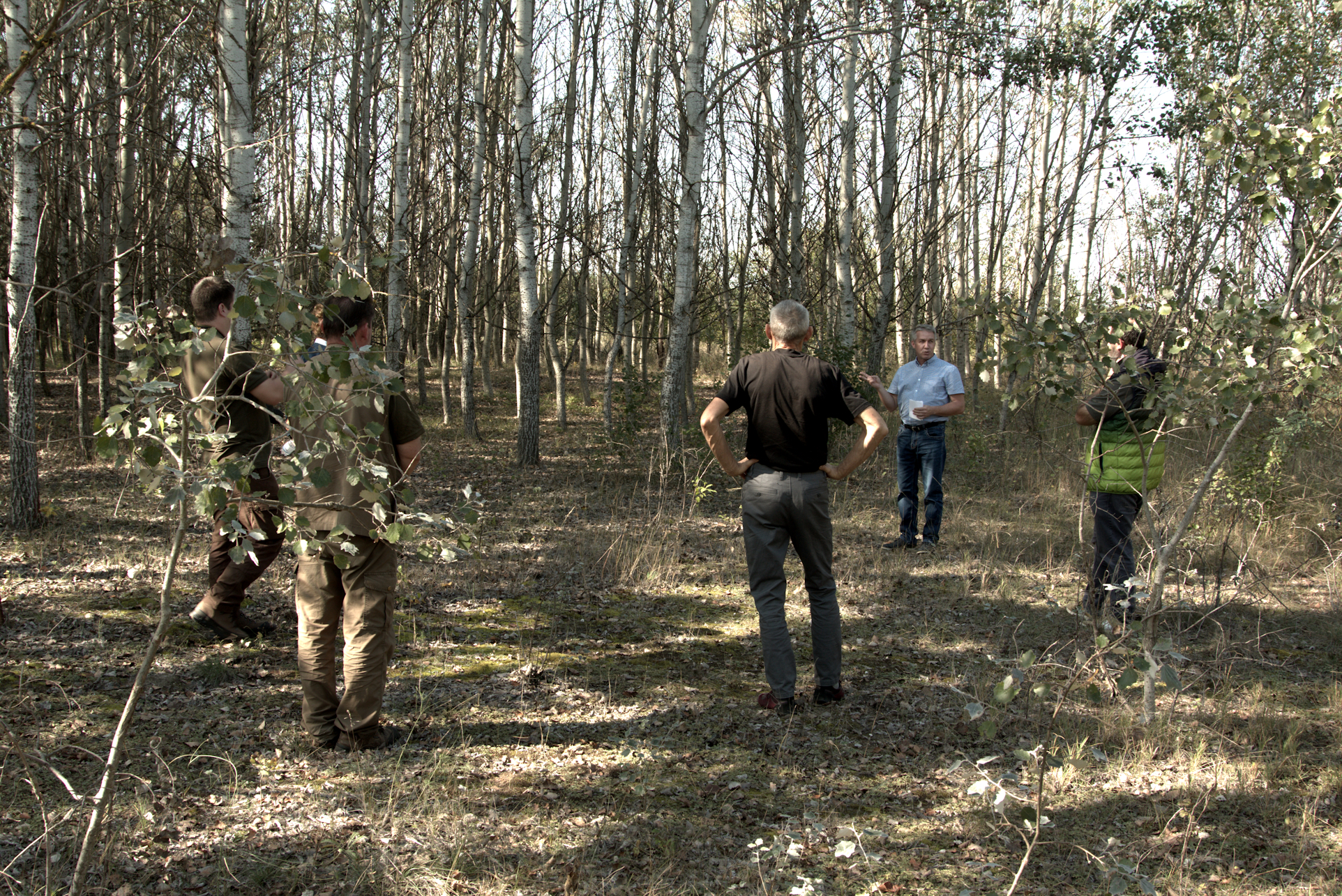
A projekt eredményeként megállapítható, hogy a kezdeti, faipari felhasználhatóságra irányuló vizsgálatok biztatóak. Az új, potenciális fajtákkal szemben alapvető elvárás az optimális hozam (mennyiségi) és faanyag-minőségi tulajdonságok mellett a környezethez való magas szintű alkalmazkodóképesség, az éghajlatváltozás szélső értékeivel szembeni tolerancia, a melegedő és szárazodó klimatikus körülmények között is jól érvényesülő termesztésbiztonság. A technológia kifejlesztéshez szükséges mintaültetvények a konzorciális együttműködés következtében eltérő agrárerdészeti termőtájakon és eltérő genetikai talajtípusokon, ökológiai környezetben valósultak meg. A csemeték homogén, erőteljes növekedése gyenge termőhelyeken is ígéretes lehet az újszerű, talajszellőztetéses technológia alkalmazásával.
Az ipari célú minőségi faanyagot termő Leuce-nyár ültetvények kísérleti eredményeinek potenciális hasznosítói az állami, társas- és magán erdőtulajdonosok, erdőkezelők, de akár települési önkormányzatok is. A legszélesebb várható célcsoport azon magán földbirtokosok, akik gazdaságos mezőgazdasági termesztésre nem alkalmas, vagy akár a gazdaságosság határán mozgó földbirtokkal rendelkeznek.
A potenciális hasznosítás fő alternatívája különböző agrárerdészeti rendszerek létrehozása, a fásítás - faültetvény (iparifa ültetvény, hengeres- és rövid vágásfordulójú energetikai ültetvény) létesítése vagy erdőtelepítés, továbbá mezővédő fasorok és erdősávok létesítése. Az összterületből legalább 40-60 % az olyan terület, amelynek hasznosítása a szárazodó klíma miatt a jó szárazságtűrő tulajdonsággal bíró Leuce-nyárakkal is célszerű lehet. A projekt során elért fejlesztési eredmények ezeken a területeken hasznosíthatóak.
A 1924457105 sz. „Kedvezőtlen termőhelyeken alkalmazható ígéretes Leuce-nyár klónok vegetatív szaporítási eljárásának kidolgozása” c. projekt a Vidékfejlesztési Program keretében, az Európai Mezőgazdasági és Vidékfejlesztési Alap, valamint a Magyar Állam tárfinanszírozásában valósult meg.
The EIP project of the University of Sopron, which focused on the development of growing-technology for promising Leuce-poplar clones using in unfavourable sites, achieved significant results
The Forest Research Institute of the University of Sopron has been dealing with the breeding and growing issues of Leuce-poplar stands for almost half a century. In 2020, within the framework of the EIP innovation project - "Development of a vegetative propagation method for promising Leuce poplar clones that can be used in unfavorable growing areas" - we started the investigation of the vegetative propagation method of white (Leuce) poplars and the establishment of industrial tree plantations in consortium cooperation. In addition to ERTI, Gáborné Horváth, Patrícia Frankó, Zsigmond Bíró, Dr. Ernő Gabnai and Péter Rétlaki participated in the implementation of the project tasks.
The aim of the project was to investigate the vegetative propagation and suitability of promising Leuce-poplars for wood industry purposes under greenhouse, nursery and factory experimental (industrial tree plantation) conditions. Based on previous studies conducted at the Forest Research Institute of University of Sopron, two promising Leuce-poplar experimental clones (Populus alba x Populus grandidentata H-337 and Populus alba x Populus grandidentata H-384) may be suitable for achieving the stated goals. In the spring of 2022, plantations were implemented in the areas of the consortium as investments in accordance with the preliminary plans and commitments. The members built a wildlife protection fence in their areas, applied individual seedling protection, carried out maintenance work, and irrigated their plantations as much as possible
The experimental plantations were established in 5 different forest microregions: § Földes Outdoor Area
- Földes Outdoor Area
- Nyíracsád Outdoor Area
- Sátoraljaújhely Outdoor Area
- Gyomaendrőd Outdoor Area
- Szentmártonkáta Outdoor Area
The poplar and willow clones planted in the experimental tree plantations were the following:
- Populus alba x Populus grandidentata ’H-337’
- Populus alba x Populus grandidentata ’H-384’
- Populus x euramericana ’I-214’ (Italian poplar)
- Populus x tomentosa (Chinese white poplar)
- Populus alba (commercial basic species)
- Salix alba ‘Express’ (express-willow)
In Hungary, for the first time, in the experimental Leuce-poplar plantation in Gyomaendrőd, in February 2023, deep soil aeration technology was carried out. The soil was aerated to an average depth of 100 cm in the entire area. The roots in the soil are partially broken along the fractures, which is gentle root pruning, so new roots can develop in mass laterally and downwards, towards the deeper soil layers. The water balance and water storage of the soil are radically improved, winter precipitation infiltrates into the aerated soil layer and does not evaporate, so the plants can access additional water throughout the summer period. Based on the growth studies, the two promising Leuce-poplar clones may be suitable for the utilization of marginal site conditions. The clones in the experimental plantations produced the most homogeneous, balanced growth in Gyomaendrőd. This may be related to the soil aeration procedure that was performed here after planting. If the strong, balanced growth of the clones will continue in the future on the solonetz meadow soil of Gyomaendrőd, then it may be worthwhile to apply this soil aeration technology in tree plantation. Based on the preliminary wood quality tests, it can be said that the promising, tested Leuce-poplar clones show better values than the relevant results of several state-recognized hybrid poplar varieties in terms of both density and compressive strength. Based on the plant health survey data, it can be stated that the selected clones are not, or only to a lesser extent, susceptible to various biotic and abiotic effects. As a result of the project, it can be stated that the initial tests aimed at the usability in the wood industry are encouraging. In addition to optimal yield (quantity) and wood quality properties, the basic expectation for new, potential varieties is a high level of adaptability to the environment, tolerance to extreme values of climate change, and production security that is also effective in warming and drying climatic conditions. The sample plantations necessary for the development of technology were realized in different agroforestry production areas and different genetic soil types, in ecological environments as a result of consortium cooperation. The homogeneous, strong growth of seedlings can be promising even in weak production areas by applying novel soil aeration technology. The potential users of the experimental results of Leuce-poplar plantations producing quality wood for industrial purposes are state, social and private forest owners, forest managers, and even local governments. The broadest expected target group is private landowners who have land that is not suitable for economic agricultural production or is even on the verge of economic viability.
The main alternative for potential utilization is the creation of various agroforestry systems, the establishment of afforestation - tree plantations (industrial tree plantations, cylindrical and short rotation energetic plantations) or afforestation, as well as the establishment of field protection tree rows and shelterbelts. In Hungary, at least 40-60% of the total area is an area whose utilization may also be expedient with Leuce-poplars, which have good drought tolerance due to the drying climate. The development results achieved during the project can be utilized in these areas.
Project No. 1909440234 “Developing vegetative propagation method for promising Leuce-poplar clones to be planted in unfavorable growing sites” has been implemented within the framework of the Rural Development Programme, co-financed by the European Agricultural and Rural Development Fund and the Hungarian State.
A Projekt német nyelvű összefoglalója
Das EIP-Projekt der Universität Sopron, das sich auf die Entwicklung von Anbautechniken für vielversprechende Weißpappelklone (Leuce) an ungünstigen Standorten konzentrierte, erzielte bedeutende Ergebnisse. Das Forstforschungsinstitut der Universität Sopron beschäftigt sich seit fast einem halben Jahrhundert mit der Züchtung und dem Anbau von Weißpappelbeständen. Im Jahr 2020 begannen wir im Rahmen des EIP-Innovationsprojekts „Entwicklung einer vegetativen Vermehrungsmethode für vielversprechende Weißpappelklone, die an ungünstigen Standorten eingesetzt werden können“ mit der Untersuchung der vegetativen Vermehrung von Weißpappeln (Leuce) und der Anlage industrieller Baumplantagen in Konsortialkooperation. Neben ERTI waren Gáborné Horváth, Patrícia Frankó, Zsigmond Bíró, Dr. Ernő Gabnai und Péter Rétlaki an der Umsetzung der Projektaufgaben beteiligt. Ziel des Projekts war die Untersuchung der vegetativen Vermehrung und Eignung vielversprechender Weißpappeln für die Holzindustrie unter Gewächshaus-, Baumschul- und Versuchsbedingungen (industrielle Baumplantage). Basierend auf Vorstudien des Forstforschungsinstituts der Universität Sopron könnten zwei vielversprechende Weißpappel-Versuchsklone (Populus alba x Populus grandidentata H-337 und Populus alba x Populus grandidentata H-384) geeignet sein, die gesteckten Ziele zu erreichen. Im Frühjahr 2022 wurden in den Gebieten des Konsortiums gemäß den vorläufigen Plänen und Verpflichtungen Anpflanzungen als Investitionen angelegt. Die Mitglieder errichteten in ihren Gebieten Wildschutzzäune, wendeten Einzelbaumschutzmaßnahmen an, führten Pflegearbeiten durch und bewässerten ihre Anpflanzungen so gut wie möglich. Die Versuchsplantagen wurden in fünf verschiedenen Waldmikroregionen angelegt:
- Freilandgebiet Földes
- Freilandgebiet Nyíracsád
- Freilandgebiet Sátoraljaújhely
- Freilandgebiet Gyomaendrőd
- Freilandgebiet Szentmártonkáta
Folgende Pappel- und Weidenklone wurden in den Versuchsplantagen angepflanzt:
- Populus alba x Populus grandidentata ’H-337’
- Populus alba x Populus grandidentata ’H-384’
- Populus x euramericana ’I-214’ (Italienische Pappel)
- Populus x tomentosa (Chinesische Weißpappel)
- Populus alba (Handelspappel)
- Salix alba ‘Express’ (Expressweide)
In Ungarn wurde im Februar erstmals in der Versuchsplantage Leuce-Pappel in Gyomaendrőd eine solche Plantage angelegt. Im Jahr 2023 wurde eine Tiefenbelüftungstechnologie eingesetzt. Der Boden wurde im gesamten Gebiet bis zu einer durchschnittlichen Tiefe von 100 cm belüftet. Die Wurzeln im Boden wurden entlang der Bruchstellen teilweise aufgebrochen, was einer schonenden Wurzelbeschneidung entspricht. Dadurch können sich neue Wurzeln massenhaft seitlich und nach unten in Richtung tieferer Bodenschichten entwickeln. Der Wasserhaushalt und die Wasserspeicherung des Bodens wurden deutlich verbessert. Winterniederschläge versickern in die belüftete Bodenschicht und verdunsten nicht, sodass die Pflanzen über den Sommer hinweg zusätzliches Wasser erhalten. Wachstumsstudien zufolge könnten die beiden vielversprechenden Leuce-Pappel-Klone für die Nutzung marginaler Standortbedingungen geeignet sein. Die Klone in den Versuchsplantagen zeigten in Gyomaendrőd das homogenste und gleichmäßigste Wachstum. Dies dürfte mit der hier nach der Pflanzung durchgeführten Bodenbelüftung zusammenhängen. Sollte sich das kräftige und gleichmäßige Wachstum der Klone auf dem Solonetz-Wiesenboden von Gyomaendrőd fortsetzen, könnte sich der Einsatz dieser Bodenbelüftungstechnologie im Baumanbau lohnen. Auf Grundlage der vorläufigen Holzqualitätsprüfungen lässt sich feststellen, dass die vielversprechenden, getesteten Leuce-Pappelklone hinsichtlich Dichte und Druckfestigkeit bessere Werte aufweisen als vergleichbare staatlich anerkannte Hybridpappelsorten. Die Daten der Pflanzengesundheitsuntersuchung zeigen, dass die ausgewählten Klone nicht oder nur geringfügig anfällig für verschiedene biotische und abiotische Einflüsse sind. Die ersten Tests zur Anwendbarkeit in der Holzindustrie verliefen vielversprechend. Neben optimalem Ertrag und guten Holzqualitätseigenschaften werden von neuen, potenziellen Sorten vor allem eine hohe Anpassungsfähigkeit an die Umwelt, Toleranz gegenüber extremen Klimaveränderungen und eine auch unter wärmeren und trockeneren Klimabedingungen wirksame Produktionssicherheit erwartet. Die für die Technologieentwicklung notwendigen Probepflanzungen wurden im Rahmen einer Konsortialkooperation in verschiedenen agroforstwirtschaftlichen Produktionsgebieten und auf unterschiedlichen genetischen Bodentypen in ökologischen Umgebungen angelegt. Durch den Einsatz neuartiger Bodenbelüftungstechnologien ist ein homogenes und kräftiges Wachstum der Sämlinge auch in ertragsschwachen Gebieten vielversprechend. Die potenziellen Nutzer der experimentellen Ergebnisse von Leuce-Pappel-Plantagen, die Qualitätsholz für industrielle Zwecke liefern, sind staatliche, kommunale und private Waldbesitzer, Forstwirte und sogar Kommunen. Die breiteste Zielgruppe sind voraussichtlich private Landbesitzer, die über Land verfügen, das Die Flächen eignen sich nicht für eine wirtschaftliche landwirtschaftliche Produktion oder stehen sogar kurz vor der wirtschaftlichen Rentabilität. Die wichtigste Alternative für eine potenzielle Nutzung ist die Schaffung verschiedener Agroforstsysteme, die Anlage von Aufforstungsmaßnahmen – Baumplantagen (Industrieplantagen, zylindrische und kurzumtriebige Energieplantagen) oder Aufforstung – sowie die Anlage von Feldbaumreihen und Windschutzstreifen. In Ungarn eignen sich mindestens 40–60 % der Gesamtfläche auch für die Nutzung mit Weißpappeln, die aufgrund des trockenen Klimas eine gute Trockenheitstoleranz aufweisen. Die im Rahmen des Projekts erzielten Entwicklungsergebnisse können in diesen Gebieten genutzt werden.
Das Projekt Nr. 1909440234 „Entwicklung einer vegetativen Vermehrungsmethode für vielversprechende Weißpappelklone zur Anpflanzung an ungünstigen Standorten“ wurde im Rahmen des Programms zur Entwicklung des ländlichen Raums durchgeführt und vom Europäischen Landwirtschafts- und Landentwicklungsfonds und dem ungarischen Staat kofinanziert.
A Projekt francia nyelvű összefoglalója
Le projet EIP de l'Université de Sopron, axé sur le développement d'une technologie de culture pour des clones prometteurs de peuplier blanc (Leuce) adaptés aux sites défavorables, a obtenu des résultats significatifs. L'Institut de recherche forestière de l'Université de Sopron travaille depuis près d'un demi-siècle sur la sélection et la culture des peuplements de peuplier blanc. En 2020, dans le cadre du projet d'innovation EIP « Développement d'une méthode de multiplication végétative pour des clones prometteurs de peuplier blanc adaptés aux zones de culture défavorables », nous avons entrepris, au sein d'un consortium, l'étude de la multiplication végétative du peuplier blanc et la mise en place de plantations industrielles. Outre l'ERTI, Gáborné Horváth, Patrícia Frankó, Zsigmond Bíró, le Dr Ernő Gabnai et Péter Rétlaki ont participé à la réalisation des objectifs du projet. L'objectif du projet était d'étudier la multiplication végétative et l'aptitude de peupliers de Leuce prometteurs à la production de bois, en conditions de serre, de pépinière et de plantation industrielle. D'après des études antérieures menées à l'Institut de recherche forestière de l'Université de Sopron, deux clones expérimentaux prometteurs de peuplier de Leuce (Populus alba x Populus grandidentata H-337 et Populus alba x Populus grandidentata H-384) pourraient convenir à la réalisation des objectifs fixés. Au printemps 2022, des plantations ont été mises en place sur les parcelles du consortium, conformément aux plans et engagements initiaux. Les membres ont installé une clôture de protection de la faune sauvage sur leurs parcelles, appliqué une protection individuelle aux jeunes plants, effectué des travaux d'entretien et irrigué leurs plantations autant que possible. Les plantations expérimentales ont été établies dans 5 microrégions forestières différentes :
- Zone extérieure de Földes
- Zone extérieure de Nyíracsád
- Zone extérieure de Sátoraljaújhely
- Zone extérieure de Gyomaendrőd
- Zone extérieure de Szentmártonkáta
Les clones de peuplier et de saule plantés dans les plantations expérimentales étaient les suivants :
- Populus alba x Populus grandidentata ‘H-337’
- Populus alba x Populus grandidentata ‘H-384’
- Populus x euramericana ‘I-214’ (peuplier d’Italie)
- Populus x tomentosa (peuplier blanc de Chine)
- Populus alba (espèce commerciale de base)
- Salix alba ‘Express’ (saule express)
En Hongrie, pour la première fois, dans la plantation expérimentale de peupliers de Leuce à Gyomaendrőd, en février 2023, Une technique d'aération profonde du sol a été mise en œuvre. Le sol a été aéré jusqu'à une profondeur moyenne de 100 cm sur l'ensemble de la zone. Les racines, partiellement sectionnées le long des fractures (une taille racinaire douce), peuvent ainsi se développer en masse, latéralement et verticalement, vers les couches profondes du sol. L'équilibre hydrique et la capacité de stockage d'eau du sol sont nettement améliorés : les précipitations hivernales s'infiltrent dans la couche aérée et ne s'évaporent pas, permettant aux plantes de bénéficier d'un apport d'eau supplémentaire durant l'été. D'après les études de croissance, les deux clones prometteurs de peuplier de Leuce pourraient convenir à l'utilisation de sols marginaux. Dans les plantations expérimentales de Gyomaendrőd, ces clones ont présenté la croissance la plus homogène et équilibrée. Ce résultat pourrait être lié à la procédure d'aération du sol effectuée après la plantation. Si cette croissance vigoureuse et équilibrée se maintient sur le sol de la prairie de solonetz de Gyomaendrőd, l'application de cette technique d'aération du sol aux plantations d'arbres pourrait s'avérer pertinente. D'après les tests préliminaires de qualité du bois, les clones prometteurs de peuplier de Leuce testés présentent des valeurs supérieures à celles de plusieurs variétés hybrides de peuplier reconnues par l'État, tant en termes de densité que de résistance à la compression. Les données de l'étude sanitaire indiquent que les clones sélectionnés sont peu ou pas sensibles aux différents facteurs biotiques et abiotiques. Les premiers essais menés dans le cadre de ce projet, visant à évaluer l'utilisation de ces clones dans l'industrie du bois, sont encourageants. Outre un rendement optimal (quantité) et des propriétés qualitatives du bois de qualité, les nouvelles variétés potentielles doivent présenter une grande adaptabilité à l'environnement, une tolérance aux variations climatiques extrêmes et une production sûre, même en conditions climatiques de réchauffement et de sécheresse. Les plantations pilotes nécessaires au développement de cette technologie ont été réalisées dans différentes zones de production agroforestière et sur différents types de sols, au sein d'environnements écologiques, grâce à la collaboration d'un consortium. L'application d'une nouvelle technologie d'aération des sols permet d'obtenir une croissance homogène et vigoureuse des jeunes plants, même dans des zones à faible production. Les utilisateurs potentiels des résultats expérimentaux concernant les plantations de peupliers de Leuce produisant du bois de qualité à usage industriel sont les propriétaires forestiers publics, privés et sociaux, les gestionnaires forestiers, voire les collectivités locales. Le groupe cible le plus large envisagé est celui des propriétaires fonciers privés possédant des terres qui Ces terres ne sont pas adaptées à une production agricole rentable, voire sont à la limite de la viabilité économique. La principale alternative pour leur valorisation potentielle réside dans la création de divers systèmes agroforestiers, la mise en place de plantations d'arbres (plantations industrielles, plantations énergétiques cylindriques et à rotation courte), ainsi que dans l'établissement de haies de protection et de brise-vent. En Hongrie, au moins 40 à 60 % de la superficie totale pourrait être exploitée avec le peuplier de Leuce, qui présente une bonne tolérance à la sécheresse grâce à un climat aride. Les résultats obtenus dans le cadre de ce projet pourront être mis à profit sur ces terres.
Le projet n° 1909440234, intitulé « Développement d'une méthode de multiplication végétative de clones prometteurs de peuplier de Leuce destinés à être plantés sur des sites de culture défavorables », a été mis en œuvre dans le cadre du Programme de développement rural, cofinancé par le Fonds européen agricole et de développement rural et l'État hongrois.
